


Preparing Your Home For Sale
Home
This is where the journey begins.
The journey starts long before the ‘For Sale’ sign goes up.
Selling your home isn’t a one-step process. It’s a multi-phase journey that starts months before your first open home and continues right through to moving day. Done well, it can significantly increase your sale price, reduce stress, and help you move forward with confidence.
At Trends Property, we’ve broken this process down into 8 clear stages, from the very first decision to sell through to final settlement, and built the tools and guides to support you every step of the way.
In this public preview, we’ll give you a glimpse into:
- How to start assembling your support network early (lawyers, agents, trades)
- What to look for when visiting local open homes
- Why getting multiple appraisals now helps clarify your strategy
- What documents will you need ready before your home even hits the market
- The benefits of staging, professional photography, and choosing the right sales method
You’ll also get a sense of the full 8-phase roadmap:
- Decision to Sell – What to ask yourself before starting
- Preparation & Research – Lay the groundwork and build your team
- Property Assessments & Expert Input – Get appraisals, inspections, and strategy advice
- Planning & Upgrades – What to fix, what to stage, and where to invest
- Listing & Launch – Marketing campaigns, open homes, buyer engagement
- Offers & Conditions – Review, negotiate, and go unconditional
- Pre-Settlement Tasks – Packing, cleaning, moving, final inspections
- Settlement Day – Keys handed over, legal transfer complete

To access the full guide, including detailed checklists, buyer behaviour insights, legal timelines, and renovation tips tailored to New Zealand homes, create your free myTrends Property account.
You’ll get the clarity, confidence, and control to sell on your terms and make smarter decisions, every step of the way.
At Trends Property, we understand that building a new home is one of the biggest projects you’ll take on. Our platform supports you with advice from industry experts, inspiration from real homes, and powerful digital tools, all in one personalised space.
Ready, Set, Sold: Your Pre-Sale Game Plan
Join myTrends Property, it’s free, and unlocks your dashboard
> Powerful project tools
> Educational Guides
> Industry expert content
1. Be Inspired
Whether you’re looking at Ready-to-Build or exploring Design and Build options, we’ll help you plan with purpose and move forward with confidence.


2. Industry Advice
Should like to articles from the podcasts realted to this topic – who are they?
3. Save & Organise
Once you have joined and become a myTrends member, collect and file your inspiration, videos, and links and organise them your way
4. Upload & Store
Keep quotes, plans, and screenshots in one easy-to-access location.
5. Collaborate
Invite your builder, architect, or partner to view and share.
6. Educate
Take step-by-step guided courses at your own pace — tailored to your build journey.
-
✅ Quick Guide: Building a New Home
-
✅ Choosing Your Appliances
-
✅ Quick Guide: Roofing & Guttering
-
✅ Quick Guide: Paint & Wallpaper
-
✅ Quick Guide: Who to Hire for Your Renovation
Ready, Set, Sold: Your Pre-Sale Game Plan

Phase 1: Preparation & Research (Months 1-2)
This initial phase is all about getting your ducks in a row. It’s about laying the groundwork, gathering information, and engaging key professionals long before your home officially hits the market. Proactive steps here will save you significant time, money, and stress down the line.
Step 1: Secure Your Communication & Support Network
- Mobile Phone Check: Your mobile will be your command centre – for maps, listings, calls, and texts. Ensure you have the best phone, screen, data connection, and plan from your mobile provider. Don’t let a poor connection add to the stress of coordinating viewings or receiving updates.
- Essential Home Services: Identify and connect with reliable local service providers now.
- Plumbers, Builders, Handymen, Electricians, Roofers: You may need to call on these professionals for minor repairs or larger renovation tasks. Having their contacts on hand and understanding their availability is invaluable.
- Gardening Services Provider: Reach out early for an assessment of your landscaping, trees, hedges, and planting. This allows time for any necessary cutting back to enable regrowth, ensuring your foliage looks its best when the property is on the market. They can also advise on seasonal best looks.
Step 1 Resources
Podcast – One NZ – Your Mobile and You
Roofing Guide
Step 2: Engage Your Legal & Financial Partners
- Your Lawyer: This is critical. If you don’t have a lawyer, start the process of finding one who can provide expert legal advice on property transactions. Your lawyer can also often connect you to other trusted services, including mortgage brokers and banks, leveraging existing relationships.
- Mortgage Broker & Bank: Even if you have a lawyer with existing connections, directly reach out to a mortgage broker for their independent advice. Also, connect with your existing bank, who holds your current mortgage. This is the time to understand your financial position, including any re-borrowing capacity that could fund pre-sale improvements or facilitate your next purchase. Knowing your borrowing power early is fundamental to your overall strategy.
Step 3: Become a Local Market Expert
- Monitor Local Open Homes: Get an understanding of what’s happening in your suburb.
- Recent Sales: Research recently sold properties, comparing valuation platforms (like RV/CV) against actual sold prices. Note the time properties spend on the market.
- Visit Open Homes: Actively visit local open homes. Observe the types of people attending and their interactions. This provides invaluable insight into buyer behaviour in your area.
- Meet Local Real Estate Agents: Open homes are an excellent, low-pressure opportunity to meet local agents. Ask them about their approach to the property sale and how things are progressing. Expect them to ask if your property is on the market – this is your chance to encourage them to provide a free appraisal.
- Get Multiple Appraisals: At Trends Property, we highly recommend having as many local agents as possible come and appraise your property. This gives you a broader perspective on your home’s value and differing marketing strategies.
- Research Your Agents: Once you have a list of potential agents, do your homework. Look them up on their company websites and real estate platforms to see their sales history (properties sold in the last 12 months/career) and average selling prices. This helps you choose an agent aligned with your expectations.
- Gather Information Packs: Collect information packs from open homes. This helps you understand what local information others are sharing about the area and what you’ll need to prepare for your own property’s marketing.
Step 4: Assemble Key Property Documentation
- LIM and Title Paperwork: If you don’t already have these readily available, request them now. Your lawyer can often assist with this early in the process. Having these documents on hand allows for smoother due diligence by potential buyers later.
- Council Consents/Permits: Critically, gather all relevant council consents or permits for any renovations, additions, or significant work previously undertaken on your property. Buyers’ lawyers will require these, and their absence can cause significant delays or even scuttle a sale.
Step 5: Professional Assessments & Feedback
- Real Estate Agent Appraisals & Feedback:
- When agents visit for appraisals, ask them about their unique process, marketing techniques, and estimated budgets.
- Many agents offer concierge, project management, or trade connection services. Inquire about these – they can be invaluable for connecting you with people to prepare your property for sale.
- Pay close attention to their feedback on what needs addressing in your home, from aesthetics to functionality, and especially anything related to code compliance or council requirements. This feedback is unbiased and comes from an informed market perspective.
- Building Inspector Report: While there is a cost (typically $700-$900), engaging an independent building inspector is highly recommended. They will provide a thorough, unbiased report with photographs, detailing every item on the property. This report gives you a comprehensive understanding of your property’s condition, allowing you to proactively address any potential issues identified by the inspector or echoed by agent feedback. Addressing these now can prevent last-minute buyer concerns.
Time Check: From Day 1 until now, you’ve likely spent 1 to 2 months getting all your information and initial assessments together. This critical groundwork sets you up for the next phase.
Phase 2: Planning & Execution (Months 3-4)
Now that you have a clear picture of your property’s current state and market position, this phase focuses on the tangible actions to get your home “market-ready.” This is where you bring your plans to life and invest in improvements.
Step 1: Detailed Planning & Sourcing
- Create a Renovation/Maintenance Checklist: Based on agent feedback and the building inspection report, create a detailed list of all required and recommended improvements.
- Product & Service Sourcing:
- Products: If you need new appliances, hardware, fixtures, flooring (vinyl, wood, carpet), paint, wallpaper, or materials for roof repairs, etc., start researching and visiting showrooms.
- Services: Reach out for quotes and estimates from the home services providers you identified earlier.
- Trends Property Guides: Utilize Trends Property’s guides (e.g., for kitchens, bathrooms, flooring) to help you through various aspects of what to do and what products to consider. Researching thoroughly now is vital.
Time Check: Allow approximately one month for planning and securing quotes. This brings us to three months since you started the process.
Step 2: Undertake the Work & Financials
- Commissioning Work: Allow approximately eight weeks for the work to be undertaken. This involves confirming quotes, binding contracts, coordinating tradespeople, and managing their availability.
- Budgeting & Financing:
- This is an ideal time to formalize your budget for the improvements.
- Re-engage with your mortgage broker and bank to explore whether you can borrow additional funds against your existing mortgage to cover these costs (e.g., up to $30,000 for basic maintenance and upkeep).
- [Image: Infographic of a budget breakdown for home improvements]
- Storage Solutions: Start researching and booking local storage facilities. It’s common to have a gap between leaving your current property and moving into a new one. Early booking allows you to secure a preferred location and potentially take advantage of special offers. Check if they offer fixed or open contracts.
- Rubbish & Decluttering: Begin the process of clearing out unwanted items.
- Assess rubbish in and around the property, including attic, garage, and under the house.
- Consider various disposal methods: skip bins, flexible bags (purchased from DIY retailers), or same-day pick-up services.
- Aim to have this organised towards the end of any renovation work, allowing for the disposal of building materials and general junk. Getting on top of this sooner rather than later makes the final clean-out much easier. Reduce what you’re living with to bare necessities for the last few weeks.
Phase 3: Marketing & Offers (Approx. 5-Week Campaign)
This is the high-visibility phase where your prepared property is presented to the market. This phase is intense and requires close collaboration with your chosen real estate agent.
Step 1: Engage Your Agent & Set the Strategy
- Final Agent Selection: After your research, engage the agent you feel will do the best job and truly suits your needs. Trust is paramount, as you’ll be relying heavily on their advice and expertise. They will be your primary guide through what can be a quick, fast, and stressful period. Choose someone you can rely on as a “beacon of hope and clarity.”
- Selling Process Discussion: Your agent will discuss the most suitable selling process based on current market conditions in New Zealand. The two major methods are:
- Deadline Sale: Typically involves a series of open homes (e.g., over three weekends) followed by a specific date for buyers to submit their best offers.
- Auction: Involves a marketing program (often three weekends of open homes) culminating in a live auction event where unconditional bids are made.
Step 2: Staging & Photography
- Professional Staging: Your agent will usually connect you with a staging provider. They will advise on what existing furniture should be moved into storage and what staging furniture needs to be brought in. Factor the budget for staging into your plans.
- Important: Your early organization of storage facilities will be crucial here for moving out existing furniture and personal items.
- Professional Cleaning: It’s highly recommended to have a professional cleaner come in the week you are staging. This ensures the property is pristine after staging materials are placed.
- Photography & Videography: Following staging, professional photography and, in some cases, videography will be shot to create the marketing material. This is typically done on a Wednesday or Thursday of the first week of your marketing cycle.
- [Image: High-quality professional real estate photo of a staged living room]
Step 3: Launching Your Campaign
- Go-to-Market: Your property will generally go live on real estate platforms and begin its marketing campaign the following Tuesday or Wednesday after photography.
- First Open Home: The first Saturday of your open home campaign will occur at the end of Week 2 of your marketing/preparation cycle.
- Campaign Management: Through the campaign (typically 3-4 weeks of open homes), it’s vital to keep the property as pristine and presentable as possible. This can be challenging amidst daily life, so dedicate time each Saturday morning for final preparations.
Time Check: The period from staging and photography through to the final open home weekend for a deadline sale or auction typically runs for about five weeks. The deadline/auction day usually falls on the Tuesday or Thursday of the following week.
Step 4: Vendor Reports & Market Feedback
- Regular Updates: Your agent will provide you with regular vendor reports. These reports detail marketing performance (views, click-throughs, inquiries on real estate platforms and social media) and validate this with the number of groups attending open homes. Your agent will guide you on how these numbers compare to local norms.
- Gauging True Market Value: Agents will gather feedback from people visiting the home, often asking what they believe the property is worth. This is the first true indication of your property’s market position based on actual buyer sentiment – far more accurate than CVs or general valuations.
- Engage with Reports: It is crucial to take the time to review and analyze these reports. Property values are highly individual, even on the same street. This feedback is essential for understanding what buyers are genuinely willing to pay.
- Keep Your Financial Team Informed: Share this market feedback with your mortgage broker, lawyer, and bank. This keeps them in the loop regarding your budgeting and planning for your next property purchase.
Phase 4: Contract & Settlement (Post-Offer to Settlement Day)
This final phase is about legal finalization, payment, and the physical handover of your property.
Step 1: Receiving & Accepting Offers
- Deadline Sale Offers: Offers may come in during open homes, but the agent will work to get the highest possible price by the deadline.
- Multi-Offer Situation: If more than one offer is received, the agent is legally required to notify all parties that it is a multi-offer situation. This encourages buyers to put forward their best price, best terms (fewest restrictions), and most favorable settlement date.
- Offer Presentation: For deadline sales, the agent will typically ask you to come to their office. With an office manager present to ensure impartiality, the offers will be opened and presented to you. You then choose the offer you wish to accept.
- Common Conditions: Accepted offers often come with conditions (e.g., 5-day finance approval, legal approval, building inspection). These create a small window for the purchaser to finalize their due diligence.
Step 2: Unconditional Status
- Conditions Satisfied: Once all conditions of the accepted offer are met (verified by your lawyer and the buyer’s lawyer), the property becomes unconditional. This means both parties are legally locked into the purchase and sale agreement (Sale and Purchase Agreement).
- Deposit Payment: As part of the unconditional process, the purchaser is required to pay a 10% deposit. This sum is held in a trust account by the agent’s or Real Estate Institute’s trust account, ensuring the money is protected.
Step 3: Preparing for Settlement
- Early Clear Out: Regardless of the settlement date (commonly 30 days, but can be shorter or longer), immediately start clearing out items you can live without. This includes removing staging materials and moving any excess storage items (attic, garage, under the house) into your booked storage unit. Reduce what you’re living with to bare necessities (couches, chairs, TV, dining table, minimal pantry items). This significantly reduces last-minute stress.
- Trade Provider Availability Check: Reach out to the service providers (tradespeople, cleaners) you used for upkeep and renovation. Briefly check their availability should anything arise closer to settlement day. This proactive step ensures you have support if unexpected issues surface.
Step 4: Final Inspection & Settlement Day
- Final Professional Clean: As you get closer to the settlement date, arrange for your professional cleaners to return and thoroughly clean the house.
- Final Inspection: The purchaser will typically conduct a final inspection 24-48 hours before settlement. Their lawyers will then notify your lawyer if they are satisfied. While issues can arise, major problems (e.g., significant new damage, collapsed structures, flooding, fire) are unlikely after the unconditional status.
- Settlement Day: This can be a stressful day. Ensure you are available for phone calls and emails from your lawyer, mortgage broker, and bank. Your lawyer will confirm all paperwork is ready.
- Money Transfer: On settlement day, the purchaser’s lawyer notifies your lawyer that funds are ready. Once settled, the money is released to your lawyer, and then to you (usually no later than 4 PM NZST).
Congratulations! Your house is sold.
Understanding the Auction Process (Key Differences)
The auction process is a distinct method of selling with specific nuances:
- Auction Date Set: An auction date is set, and your agent works to bring as many potential buyers and bidders to the room.
- Unconditional Bids: The key difference with an auction is that bidders must be able to purchase the property unconditionally. This means they must have completed all due diligence (building inspections, finance approval, legal approval) before the auction night. This provides you, the seller, with immediate certainty if the property sells “under the hammer.”
- Reserve Price: You, with your agent’s feedback from vendor reports, will set a confidential reserve price. While you only legally need to inform the auctioneer, it doesn’t hurt to make your agent aware of your target.
- If Not Sold (Passed In): It’s common for properties not to sell on the night if the bids do not meet your reserve. If passed in, it indicates the highest bid achieved in the room.
- Post-Auction Strategy:
- You have the ability to immediately put a price on the property in the room, often at or slightly below your reserve. This signals that the property is now available for offers from that price point.
- This can transform previous watchers into active purchasers, sometimes even sparking a “mini-campaign” with renewed interest, viewings, and potentially new open homes. People who thought it was too expensive may now realize it’s within reach.
- From this point, the process typically flows into a multi-offer or deadline sale-like scenario, where buyers submit their best offers and conditions.
- Sold Under the Hammer: If the property sells on the night, the unconditional process instantly engages: the 10% deposit is paid, and the settlement period commences, leading to settlement.

Looking to build
Looking
to build
Thinking About Building?

Looking
to build
Thinking About Building?
Welcome to The Long Way Home series: Looking to Build
This journey guide walks you through the full process of building a house in New Zealand — from defining your vision and finding land, to signing contracts, managing the build, and finally settling into your brand-new space.
Building a home is one of the most exciting (and demanding) ways to shape your future. It’s not just about choosing finishes — it’s about managing costs, timelines, consents, and builders, all while trying to stay true to your lifestyle goals. That’s why we’ve broken the process into eight clear phases, filled with practical insights and real-world benchmarks.
Whether you’re starting from scratch or considering a house-and-land package, this guide helps you move forward with clarity and confidence.
This journey guide walks you through the full process of building a house in New Zealand — from defining your vision and finding land, to signing contracts, managing the build, and finally settling into your brand-new space.
Building a home is one of the most exciting (and demanding) ways to shape your future. It’s not just about choosing finishes — it’s about managing costs, timelines, consents, and builders, all while trying to stay true to your lifestyle goals. That’s why we’ve broken the process into eight clear phases, filled with practical insights and real-world benchmarks.
Whether you’re starting from scratch or considering a house-and-land package, this guide helps you move forward with clarity and confidence.
Phase 1: Define Your Vision & Budget
Clarify your lifestyle drivers, budget realistically using NZ-specific cost data, and explore where your build goals fit within your financial comfort zone.
Phase 2: Find Land or a House-and-Land Package
Understand zoning, soil class, and due diligence checks as you explore land across regions — or consider pre-matched house-and-land options.
Phase 3: Choose Your Build Partner
Compare builder models — from group housing to design-and-build or full architect partnerships — and learn how to ask the right questions before signing anything.
Phase 4: Concept & Design Development
Bring your home to life on paper. Work through concepts, estimates, and sustainability features before locking in a plan that suits your site, budget, and lifestyle.
Phase 5: Costing, Contracts & Consents
Refine your pricing, lock in key specifications, and submit complete plans to the council with fewer delays. Learn about PC sums, escalation clauses, and timelines.
Phase 6: Construction — Foundations to Lock-Up
Watch your home take shape. Know what to expect during each build stage and how to stay informed with project updates, site meetings, and variation tracking.
Phase 7: Interiors, Fixtures & Fit-Out
Manage decisions on kitchens, bathrooms, flooring, lighting, and colour. Know your walkthrough rights and how to keep things moving toward completion.
Phase 8: Handover & Settling In
Celebrate the finish line. Understand CCC requirements, warranty periods, and final handover tasks like insurance, valuations, and moving-in readiness.
Phase 5: Costing, Contracts & Consents
Refine your pricing, lock in key specifications, and submit complete plans to the council with fewer delays. Learn about PC sums, escalation clauses, and timelines.
Phase 6: Construction — Foundations to Lock-Up
Watch your home take shape. Know what to expect during each build stage and how to stay informed with project updates, site meetings, and variation tracking.
Phase 7: Interiors, Fixtures & Fit-Out
Manage decisions on kitchens, bathrooms, flooring, lighting, and colour. Know your walkthrough rights and how to keep things moving toward completion.
Phase 8: Handover & Settling In
Celebrate the finish line. Understand CCC requirements, warranty periods, and final handover tasks like insurance, valuations, and moving-in readiness.
Want access to the full guide?
Create your free myTrends Property account to explore every phase of your journey. Plan, learn, save, and take action with full access to guides and tools tailored to Kiwi homeowners.

Want access to the full guide?
Create your free myTrends Property account to explore every phase of your journey. Plan, learn, save, and take action with full access to guides and tools tailored to Kiwi homeowners.

1. Join
Your personalised Trends Property journey starts here
Creating a free myTrends Property account is the first step toward turning inspiration into action, whether you’re renovating to stay, preparing your home for sale, getting ready to buy, or looking to build. As soon as you join, the platform begins to tailor your experience based on your goals, so everything you see is more relevant, timely, and aligned with your personal property journey.
- Create a free myTrends Property account quickly and easily in seconds.
- Answer a few quick questions to customise your experience, such as your property goals, project timeframe, and design interests.
Get tailored content and tools matched to your project goals, so your myTrends Account page, recommendations, and guides are always aligned with where you’re at.
2. Guides
Step-by-step advice at the right time, in the right order
- Access Quick Guides, Mini Guides, and full-length Courses
- Learn about property, renovation, design, and building
- Understand what to ask and expect from trusted professionals
3. Notes
Capture ideas and inspiration in one central place
- Add written notes or paste links and references
- Organise notes into folders and highlight important ones
- Pin key thoughts to the top for your team to see
4. Resources
Upload and store all your project files securely
- Save brochures, quotes, PDFs, images, or spreadsheets
- Share with your team to keep everyone aligned
- Avoid multiple email versions with one source of truth
5. Team
Invite others to collaborate on your project
- Add up to 9 collaborators (friends, family, pros)
- Assign access levels: Partner or Collaborator
- Share updates, ideas, and resources in one place
6. Save
Collect content that inspires you and keep it organised
- Bookmark articles, videos, audio, case studies and portfolio.
- Add your own notes and reflections to saved items
- Revisit ideas and turn inspiration into action
7. Visualise
Build your own visual library of property ideas
- Save images from any section of the site
- Group images by custom folders like “Kitchen Ideas” or “Landscaping”
- Revisit later and share with your team or design professional
Create your free myTrends Property account to explore every phase of your journey. Plan, learn, save, and take action with full access to guides and tools tailored to Kiwi homeowners.

Ready to buy

Ready
to buy
If you’ve landed here, chances are you’re thinking about buying a new home.

Ready
to buy
Thinking about buying a new home?
Maybe it’s your first time. Maybe it’s your forever home. Or maybe it’s just the next right step in your life. Whatever the reason, we know this journey can feel exciting, confusing, and at times overwhelming. That’s exactly why this part of the Trends Property platform exists.
Here, you’ll find a clear, step-by-step guide to help you navigate the buying process — from researching neighbourhoods to attending open homes, making an offer, and settling in.
But this isn’t just a checklist.
This is a roadmap to help you feel more confident and in control. You’ll learn how to ask the right questions, spot red flags, understand the market, and prepare your finances and paperwork — all while staying grounded in what really matters to you and your lifestyle.
This section introduces:
- The key phases of the home buying journey — from early research to settlement
- Tools to track open homes, compare properties, and reflect on what matters
- What to expect at auctions, deadline sales, and negotiations
- How to understand valuations, LIMs, building reports, and legal terms
- Ways to stay calm, informed, and proactive at every stage
We’ll walk with you — step by step — through this exciting chapter of your property journey.
Because this isn’t just about buying a house.
It’s about finding the place that feels like home.
At Trends Property, our goal is to help you understand what to expect — and highlight the things you may not have thought about — so you can move forward with confidence and avoid surprises along the way. The information we share is designed to guide, inspire, and inform, but it’s not a substitute for professional advice. Always seek personalised guidance from qualified legal, financial, renovation, or building professionals before making any big decisions.
Quick Links In This Journey
Maybe it’s your first time. Maybe it’s your forever home. Or maybe it’s just the next right step in your life. Whatever the reason, we know this journey can feel exciting, confusing, and at times overwhelming. That’s exactly why this part of the Trends Property platform exists.
Here, you’ll find a clear, step-by-step guide to help you navigate the buying process — from researching neighbourhoods to attending open homes, making an offer, and settling in.
But this isn’t just a checklist.
This is a roadmap to help you feel more confident and in control. You’ll learn how to ask the right questions, spot red flags, understand the market, and prepare your finances and paperwork — all while staying grounded in what really matters to you and your lifestyle.
This section introduces:
- The key phases of the home buying journey — from early research to settlement
- Tools to track open homes, compare properties, and reflect on what matters
- What to expect at auctions, deadline sales, and negotiations
- How to understand valuations, LIMs, building reports, and legal terms
- Ways to stay calm, informed, and proactive at every stage
We’ll walk with you — step by step — through this exciting chapter of your property journey.
Because this isn’t just about buying a house.
It’s about finding the place that feels like home.
At Trends Property, our goal is to help you understand what to expect — and highlight the things you may not have thought about — so you can move forward with confidence and avoid surprises along the way.
The information we share is designed to guide, inspire, and inform, but it’s not a substitute for professional advice. Always seek personalised guidance from qualified legal, financial, renovation, or building professionals before making any big decisions.
Quick Links In This Journey
Phase One:
Reflect & Research (Months 1–2)
Start with clarity. Find your direction. — What is your Place?
What This Phase Is About
This first stage is less about jumping on real estate apps and more about stepping back to understand what you’re really looking for. It’s your chance to define what “home” means to you and your whanau, then begin exploring locations and lifestyles that align with those values.
Buying a home isn’t just about finding a property — it’s about reshaping your life. Whether you’re upsizing, downsizing, or starting fresh, this phase helps you understand your true motivations and set realistic expectations before the open home whirlwind begins.
What to Focus On
1. Clarify Your Lifestyle Vision
- Think about your daily routines — weekday vs. weekend life.
- Who’s living in the home? Kids, flatmates, pets, multi-generational family?
- How do you want the home to function for work, relaxation, and entertainment?
- Visualise your ideal day at home. What does that look and feel like?
2. Map Out Must-Haves vs. Nice-to-Haves
- Bedrooms, bathrooms, outdoor space, natural light, storage
- School zones, public transport, walkability, community feel
- Think about future needs: Growing family? Ageing in place? Remote work?
3. Explore Suburbs Like a Local
- Don’t just look at the street — explore the wider neighbourhood
- Visit supermarkets, cafes, parks, and weekend markets
- Use council plans to understand upcoming developments or rezoning
- Keep an open mind — many buyers end up in areas they hadn’t initially considered
4. Think Ahead: Future Renovations & Upgrades
If you plan to make improvements after you move in — whether small updates or major renovations — it’s important to keep this in mind from the very beginning of your home search. Here’s what to look for early on:
- Site Access & Layout: Can trades and materials easily access the site?
- Zoning & Planning Constraints: Are there restrictions on what you can change?
- Orientation & Sunlight: Will potential alterations benefit from natural light?
- Neighbours & Boundaries: Will boundary lines affect future projects?
- Existing Structures & Materials: Are the materials easy to work with?
- Title Type & Land Ownership: Do the property rights allow for renovation?
- Long-Term Potential: Can this house grow with your goals?
5. Lay Your Legal, Finance & Communication Foundations Early
Before open homes and listings dominate your weekends, now is the time to get your logistics sorted:
- Connect with a lawyer early
This ensures you’re ready to review LIMs, titles, or auction documents as soon as you find a home you like. - Speak with a mortgage broker or lender
Get pre-approval, understand your true borrowing power, and assess bridging options if you’re selling another home. Also, ask about how post-settlement renovations (like bathroom upgrades, new carpet, or landscaping) might be financed — either through your mortgage or as a separate budget. Knowing what’s possible now can help shape your property choices later. - Prep your current property if needed
Early appraisals or prep work will give you clarity about timelines and budgets if you’re buying and selling simultaneously. - Set up your Trends Property account
Use checklists, saved content, upload resources, write notes, and set up your team to stay organised — especially if multiple people are involved in the search. - Establish good communication early
Talk with your whanau or co-buyers about roles, responsibilities, and preferences to avoid misunderstandings down the line.
Tools & Tips
Suburb Profiles: Trademe Property, Homes.co.nz, Realestate.co.nz, REINZ data, local council websites
Planning Maps: Auckland Unitary Plan, Wellington District Plan, Christchurch Smart Maps
Community Insight: Local Facebook groups, Neighbourly, school websites
Budget Scope: Check mortgage calculators and review your financial position early
Thinking About Building Instead?
As you research locations and weigh up what’s on the market, you might find that buying an existing property doesn’t quite match what you’re looking for — whether it’s size, layout, price, or long-term potential.
This is the perfect time to ask:
- Could you build something that suits your needs better?
- Are there land-and-build packages available in your preferred area?
- Is there land for sale that you could build on with your own team?
Building a home can sometimes offer more value, better performance, and a lower-maintenance future, especially with modern materials and efficient designs.
🔗 Visit the Trends Property “Looking to Build” Journey
Explore land options, building partners, smart designs, budgeting advice, and tools to help you decide if this path is right for you.
End of Phase Goal
You’ve built a realistic vision of the type of home and area you want to live in, and you’ve started tracking locations, listings, and lifestyle factors using Trends Property tools. You’re ready to move into the next phase with clarity and confidence.
Phase Two:
Open Homes & Market Intelligence (Months 2–3)
Goal: Immerse yourself in the market, sharpen your instincts, and begin identifying the types of homes — and agents — that align with your goals.
What This Phase Is About
This is where research becomes real. You’re no longer just browsing — you’re standing in real homes, speaking to agents, and starting to feel the rhythm of the market. Open homes give you the chance to train your eye, sharpen your pricing sense, and understand how different properties stack up, both in presentation and potential.
It’s also the right time to assess renovation potential, get to know real estate agents, and evaluate what kinds of properties are realistically within reach for your budget, lifestyle, and future goals.
What to Focus On
1. Start Showing Up
Visit Open Homes Regularly:
- Go to as many as you can — even homes slightly above or below your price range.
- Visit on different days (weekends vs weekdays) to get a feel for interest levels.
- Observe how the property is presented and who else is attending.
Track Listings Over Time:
- Note how long properties stay on the market.
- Homes still listed after 30–40+ days may be priced too high — or offer room to negotiate.
2. Be Prepared at Each Open Home
Use a Checklist: Track layout, flow, light, condition, noise levels, storage, and outdoor connection.
Take Notes & Photos: Record pros/cons, standout features, and agent details using your myTrends Property account.
Get the Flyer or Brochure: Useful for reference later when listings blur together.
3. Keep Future Changes in Mind
Start observing how easily the property could adapt or improve post-settlement.
Look Past the Decor:
- Dated surfaces can often be changed; poor layouts are harder to fix.
- Ask: Does the structure have “good bones”?
Note Layout Flexibility:
- Are there obvious structural walls? Could walls be removed or rooms reconfigured?
Review Utilities & Infrastructure:
- Where are the key systems? Would plumbing or wiring upgrades be straightforward?
Assess Outdoor Potential:
- Is there room for decks, patios, garden upgrades, or fencing changes?
Keep Renovation Budget in Mind:
- If you’ll need to upgrade immediately (e.g. carpet, heating, bathroom), factor this into your financing.
4. Become a Local Market Expert
Study Sales Data:
- Compare rateable values (CV/RV) to actual sale prices.
- Use OneRoof or Homes.co.nz to check price history and trends.
Track the Marketing Cycle:
- Ask agents how long the home has been listed and if offers have been received.
- Busy first weekends vs quiet third weekends can reveal seller motivation.
5. Engage with Real Estate Agents
Start Conversations:
- Ask agents how they’ve priced the property, what feedback they’re hearing, and what sale method is being used.
- Build early relationships — they may notify you of pre-market listings or offer free appraisals of your current home.
6. Ask Smart Renovation Questions
Get more out of your open home visits by asking about the home’s history and upgrade potential.
- Has the home been renovated before? If so, what was done — and when?
- Are there consented plans or documentation available?
- What feedback have other potential buyers given around upgrades or changes?
- Are there limitations due to zoning, title type, or shared boundaries?
7. Track, Compare & Reflect
Set Up a Simple Tracking System:
- Use a spreadsheet or the Trends dashboard to log key details: address, price, agent, pros/cons, CV, days listed, and general impression.
- Track outcomes (e.g. sold at auction, withdrawn, new price).
Why It Matters:
- Over time, you’ll build stronger instincts, spot over- or under-valued homes, and understand what your money really gets you.
Tools You Can Use
Open Home Checklist (inside your myTrends Property account)
Trends Podcast Insights from real estate professionals
Save-to-Profile Tools for tracking listings and photos
Email Alerts for new listings in target suburbs
Phase Three:
Understanding Sales Methods & Offer Preparation
Timeline: Weeks 5–8
Goal: Get confident about the different sale methods used in New Zealand, and understand what they mean for how you’ll make an offer, and how ready you need to be.
Why This Phase Matters
Up until now, you’ve been researching suburbs, attending open homes, and starting to identify what you’re looking for. Now, it’s time to sharpen your focus and prepare for action.
Every property is marketed differently. In New Zealand, homes may be sold by auction, deadline, tender, or negotiation. Each of these comes with very different rules, and missteps can cost you the property. This phase is about removing the guesswork.
Start by Understanding the Main Sales Methods
Each sales method affects:
- How much prep do you need to do up front
- Whether you can include conditions like finance or inspections
- How negotiation works (or doesn’t)
1. Auction
- Unconditional: No conditions allowed. You must have finance approved and all reports sorted before you bid.
- Public bidding: The winner is the highest bidder above the reserve.
- Deposit due: 10% is payable immediately or within 24 hours.
- No negotiation: You either win or walk away.
Tip: If you’re serious about an auction property, talk to your lawyer early, get all the documentation, and arrange a building inspection ahead of auction day.
2. Deadline Sale
- Fixed date: Offers must be submitted by a specific day/time.
- Can be conditional: Most sellers expect your best offer up front, both in terms of price and terms.
- Not always price-driven: A seller might prefer a slightly lower offer with better terms (e.g. flexible settlement or fewer conditions).
Tip: Don’t “hold back” on price or terms, thinking you’ll get another shot. Deadline sales are often one chance only.
3. Tender
- Very similar to a deadline sale.
- Sealed, confidential offers submitted by a set date.
- You may not get a second chance.
4. By Negotiation
- Offers can include conditions.
- Allows for back-and-forth with the seller.
- It can give you more flexibility, but also less clarity about urgency and interest.
Know What the Sale Method Means for You
Not all homes are sold the same way, and the method chosen can significantly affect how you approach your offer, what conditions you can include, and how quickly you need to act.
Here’s what each method typically involves:
Auction
An auction is a public bidding process where the highest bidder wins — but only if the reserve price is met.
You must be unconditional to participate, meaning:
- Your finance needs to be fully approved in advance
- Building inspections, LIM, and title checks must be done before auction day
- A deposit (usually 10%) is payable immediately if you win
Auctions move fast and require full preparation. There’s no room to change your mind or negotiate after the fact.
Tender
You submit your best written offer by a fixed deadline. The seller reviews all offers privately and selects the one they prefer.
It’s not always the highest price that wins — terms, conditions, and flexibility all matter.
- You won’t know what others are offering
- There’s usually no right of reply
- Make your offer as strong and complete as possible the first time
Deadline Sale
Similar to a tender, but with a little more flexibility. Offers are invited by a specific deadline, but the vendor may negotiate or accept an early offer.
- Be ready to act quickly if interest is strong
- You may be able to include conditions, depending on the vendor’s preference
- Agents sometimes use this method to create urgency
By Negotiation / Asking Price
This is the most flexible and common method, and often less stressful than an auction or tender.
- You can submit an offer with conditions (e.g. finance, builder’s report, sale of your own home)
- The seller can negotiate on price or terms
- Timeframes are more relaxed, but competition can still be strong
Each method requires a different level of preparation. Understanding how the home is being marketed will help you plan your next steps, reduce surprises, and avoid missing out due to timing or technicalities.
Research Real-World Trends
Use TrendsProperty.com and your favourite listings platform to:
- Track Days on Market: If homes are selling quickly, you may need to act faster.
- Compare CV vs Sale Price: Especially in a fluctuating market.
- Check Recent Results: Did homes at auction pass in or sell under reserve?
- Review Agent Patterns: Some agents prefer auctions, others lean toward deadlines or negotiation — this can give you clues.
Prepare Your Offer Strategy
Before making an offer, whether for auction or deadline:
- Know your maximum budget (not just mortgage approval, but real-life comfort zone).
- Have all due diligence complete (LIM, title, builder’s report, lawyer review).
- Be clear on your ideal terms: deposit amount, settlement date, included chattels.
- Understand how strong your position is: Are you cash-ready? Unconditional? Do you have a property to sell?
Factor in Renovation Costs When Comparing Homes
When comparing similar homes, don’t just look at what they are — consider what they could be, and at what cost.
- Adjust your value lens:
A property with an older kitchen might be a better buy if you plan to replace it anyway — no point paying extra for upgrades you’ll undo. - Price in renovation budgets:
Keep a rough figure in mind for flooring, paint, lighting, or bathroom/kitchen upgrades and weigh these against the price gap between “done” and “needs work” homes. - Compare resale potential:
If you plan to renovate and eventually sell, consider how much value your upgrades would realistically add in that suburb.
Phase Four:
Making an Offer or Preparing for Auction
Timeline: Weeks 6–10
Goal: Structure a confident, compliant offer — or be fully prepared to bid unconditionally at auction.
Why This Phase Matters
You’ve found a property you love — now it’s time to make your move. This phase is about turning your research into real-world action.
Different sales methods require different strategies. Whether you’re submitting a conditional offer or preparing to bid at auction, the preparation you do now will determine whether your offer
Get a Renovation-Focused Building Inspection
Even if you’re not planning immediate renovations, a professional can help you understand future upgrade possibilities.
- Talk to your inspector:
Ask them to flag areas that could affect renovation feasibility (e.g., roof space for attic conversion, underfloor condition for plumbing upgrades). - Check for asbestos, wiring age, and plumbing materials:
Older materials may increase costs for even minor upgrades, especially if walls or ceilings must be opened up. - Evaluate structure and drainage:
If you’re considering adding bathrooms or extending living spaces, assess whether the site and services can handle it.
If You’re Preparing an Offer (Private Sale, Deadline, or Tender)
Structure Your Offer Clearly
Include:
- Price – What you’re offering to pay.
- Deposit – Typically 10%, often payable when the contract goes unconditional.
- Settlement Date – When you want possession of the property.
- Included Chattels – Make sure all appliances, fittings, and extras are listed.
- Conditions – See below.
Common Conditions (Also called “Subject To” clauses)
| Condition Type | Typical Timeframe | Notes |
|---|---|---|
| Subject to Finance | 5–10 working days | Required if your finance is not yet finalised. Your bank may need a valuation. |
| Subject to Building Report | 5–10 working days | Engage a licensed building inspector. |
| Subject to LIM Report | 5–10 working days | Your lawyer can request this from the council. |
| Subject to Sale of Property | Variable – 10–20+ days | Allows time to sell your current home. May make the offer less attractive. |
Pro Tip: Strong conditions protect you, but too many or overly long timeframes can make your offer less appealing. Ask your lawyer to help you strike a balance.
If You’re Preparing for Auction
You MUST be ready to buy unconditionally — so all prep needs to be done before auction day.
Checklist for Auction Readiness:
- ✓ Finance fully approved (not just pre-approved)
- ✓ Deposit funds ready to transfer (usually 10%)
- ✓ LIM report reviewed
- ✓ Title search reviewed
- ✓ Building inspection completed
- ✓ Legal review of Sale & Purchase Agreement
- ✓ You’ve registered with the selling agent or auctioneer
- ✓ You’ve set your maximum bid limit and agreed to stick to it
Tip: Many auctions now allow bidding by phone or online, but you must be pre-registered. Ask the agent early.
Communication with the Agent
Don’t underestimate the value of engaging the agent:
- Ask if there are other offers on the table
- Ask if a pre-auction offer would be considered
- Confirm the timeline for offers and decisions
- If you’re interested but not ready, ask the agent to keep you posted if anything changes
What to Include with Your Offer
Your lawyer will help you complete a Sale & Purchase Agreement (S&P), but key items include:
- Full legal names of buyers
- Address of the property
- All conditions and timeframes
- Chattels to be included
- Solicitor details for both parties
Trends Property Tools You Can Use (Registered Users)
- Downloadable Offer Planner and Condition Templates
- Guide to Auction Day Do’s and Don’ts
- List of Legal and Financial Partners across NZ
- Pre-offer Checklist for private treaty sales
- LIM and Title Review Explainers
- Building Inspector Q&A Guide
Phase Five:
Going Unconditional
Goal: Confirm all your checks are complete, your conditions are met, and you’re legally committed to purchasing the home.
What It Really Means
“Going unconditional” is a legal milestone. It’s the point at which your offer is no longer subject to any conditions, and both you and the seller are locked into the agreement.
If you’ve purchased at auction, your offer was unconditional the moment the hammer fell. For all other sales methods (tender, deadline, negotiation), your offer may have included conditions such as:
- Subject to finance
- Subject to a satisfactory building inspection
- Subject to LIM or council documentation
- Subject to the sale of your existing home
Once each of those boxes is ticked and any due diligence is complete, your lawyer will declare the contract unconditional, and the clock starts ticking toward settlement day.
Final Pre-Unconditional Checklist
Before going unconditional, make sure you’ve:
- ✓ Received written finance approval from your lender
- ✓ Completed a builder’s report (if not done already)
- ✓ Had your lawyer review the sale and purchase agreement
- ✓ Clarified any title or LIM concerns
- ✓ Reviewed the chattels list (what’s included with the home)
- ✓ Scheduled a pre-settlement inspection with your agent
- ✓ Arranged insurance to take effect from the date of settlement
- ✓ Paid your deposit (often 10%) to the vendor’s solicitor trust account
Tip: Once you go unconditional, your deposit is typically due immediately. Make sure the funds are ready to transfer the same day.
Real-Life Insight
Many buyers feel a sense of relief at this stage — you’ve done the work, asked the questions, and taken the right steps. But don’t underestimate the importance of this moment. Once unconditional, you can’t back out without serious legal and financial consequences.
That’s why it’s so important to use your support team — your lawyer, mortgage broker, and any advisors — to double-check every aspect before signing off.
Tools & Resources
Inside your myTrends Property dashboard:
- Pre-Unconditional Checklist PDF
- Finance Readiness Tips
- Questions to Ask Your Lawyer Before Signing Off
- Pre-Settlement Inspection Guide
What’s Next?
You’re now in the home stretch. The settlement day is just around the corner — and that’s when the property officially becomes yours. The final phase will help you prepare for moving day, key handover, and making the space your own.
Phase Six:
Settlement & Moving In
Timeline: Weeks leading up to your settlement date
Focus: Confirming legal, financial, and logistical steps — and finally stepping through the door of your new home.
What is “Settlement”?
Settlement is the day you officially take ownership of your new home. It’s the legal and financial handover where your solicitor transfers funds, the title is updated, and you get the keys, usually by 4pm.
But the days leading up to settlement are just as important as settlement itself. Organisation here means fewer surprises and a smoother move.
Key Tasks Before Settlement
1. Confirm All Legal & Financial Details
- Meet with your solicitor at least one week before settlement.
- Double-check loan documents, payment instructions, and deposit release.
- Ensure your lender is ready to transfer funds on the day.
2. Pre-Settlement Inspection
- Arrange this 1–2 days before settlement with the agent.
- Check:
-
- All agreed chattels (e.g. appliances, curtains) are still present.
- No damage has occurred since you signed the contract.
- Any agreed-upon repairs or changes have been completed.
- Take photos if needed and raise issues immediately.
-
3. Insurance
- You must have home insurance effective from the settlement day, not after. Your bank will need to see this.
4. Utilities & Address Change
- Set up:
-
- Electricity, gas, water, and internet
- Mail redirection via NZ Post
- Update address with IRD, banks, insurance, schools, etc.
-
- You may need your RealMe account to update government records.
Preparing for Moving Day
Book Early:
- Movers, trailer hire, or a van — confirm well in advance.
- Align the delivery of any furniture or appliances (e.g. whiteware, beds) to arrive after key collection.
Access Timing:
- Most keys are released around midday to 4 pm on settlement day.
- Don’t book movers or delivery trucks too early — delays can happen.
Pets & Personal Items:
- Bring familiar items from your old home (blankets, toys) to ease the transition for pets or young children.
- If you have fragile or precious items, consider moving them yourself rather than using the movers.
Final Tips
- Consider Early Access (if needed):
If you want to do minor work (e.g. painting, curtain rails) before settlement, you’ll need written permission from the vendor — this isn’t guaranteed, but worth discussing. - Spend time in your new neighbourhood:
Visit local cafes, parks, or supermarkets before move-in. Familiarity helps make the new place feel like home. - Celebrate the milestone:
Buying a home is a huge achievement. Take a moment to enjoy it — even if the boxes aren’t unpacked yet.
Phase Seven:
Quick Wins & First Impressions (Weeks 1–3 post-settlement)
Make the home feel like yours — fast.
- Paint & wallpaper – Refresh key areas like bedrooms or living zones with colour palettes that reflect your style.
- Flooring & carpet updates – Replace tired carpet or polish floors for a quick uplift.
- Lighting swaps – Change outdated fittings to improve ambience and energy efficiency.
- Window treatments – Install curtains, blinds, or shutters to increase comfort and privacy.
- Furniture placement – Use staging principles to optimise flow and functionality with your existing pieces.
- Declutter & deep clean – Set the tone with a fresh start before unpacking everything.
Trends Tip: Document “before” photos to track your changes and guide any future renovations. You can upload these in your resouces section of your myTrends Property account.
Phase Eight:
Core Maintenance & Safety Checks (Weeks 2–6 post-settlement)
Establish a strong foundation for comfort and security.
- Change locks & security codes – Ensure your home is fully secure.
- Inspect plumbing, roofing, and insulation – Get professional assessments if missed pre-purchase.
- Electrical review – Have an electrician check switchboards, wiring, and outlets (especially in older homes).
- Install or update smoke alarms – Ensure they meet NZ regulations.
- Check insulation and ventilation – Upgrade or install as needed to improve energy efficiency.
- Set up smart home basics – Add security cameras, motion sensors, or smart thermostats.
Phase Nine:
Outdoor Spaces & Street Appeal (Weeks 4–12 post-settlement)
Maximise enjoyment and value outdoors.
- Tidy gardens & lawns – Remove overgrowth, add mulch, plant easy-care natives.
- Outdoor lighting – Solar or hardwired lighting enhances security and ambience.
- Fence & gate upgrades – Improve privacy and safety, especially for kids and pets.
- Install a clothesline or garden shed – Boost everyday functionality.
- Plan for future decking or pergolas – Even if not immediate, sketch out what you want.
- Rubbish & recycling setup – Ensure bins are ordered and systems are in place.
Trends Tip: A refreshed exterior increases value and makes your home feel truly your own.
Phase Ten:
Larger Upgrades & Renovation Planning (3–12 months post-settlement)
Time to tailor the home to your long-term vision.
- Kitchen or bathroom upgrades – Refresh fixtures, layout, cabinetry, or tiles.
- Heating & cooling – Install heat pumps, central heating, or underfloor heating.
- Rewiring or replumbing – Essential in older homes before larger renovations.
- Layout changes – Knock through walls or reconfigure rooms to suit your lifestyle.
- Garage conversions or home office setups – Improve usable space.
- Add value – Focus on improvements that add equity for future resale or borrowing.
Trends Feature: Browse our renovation guides and real project showcases to spark ideas.
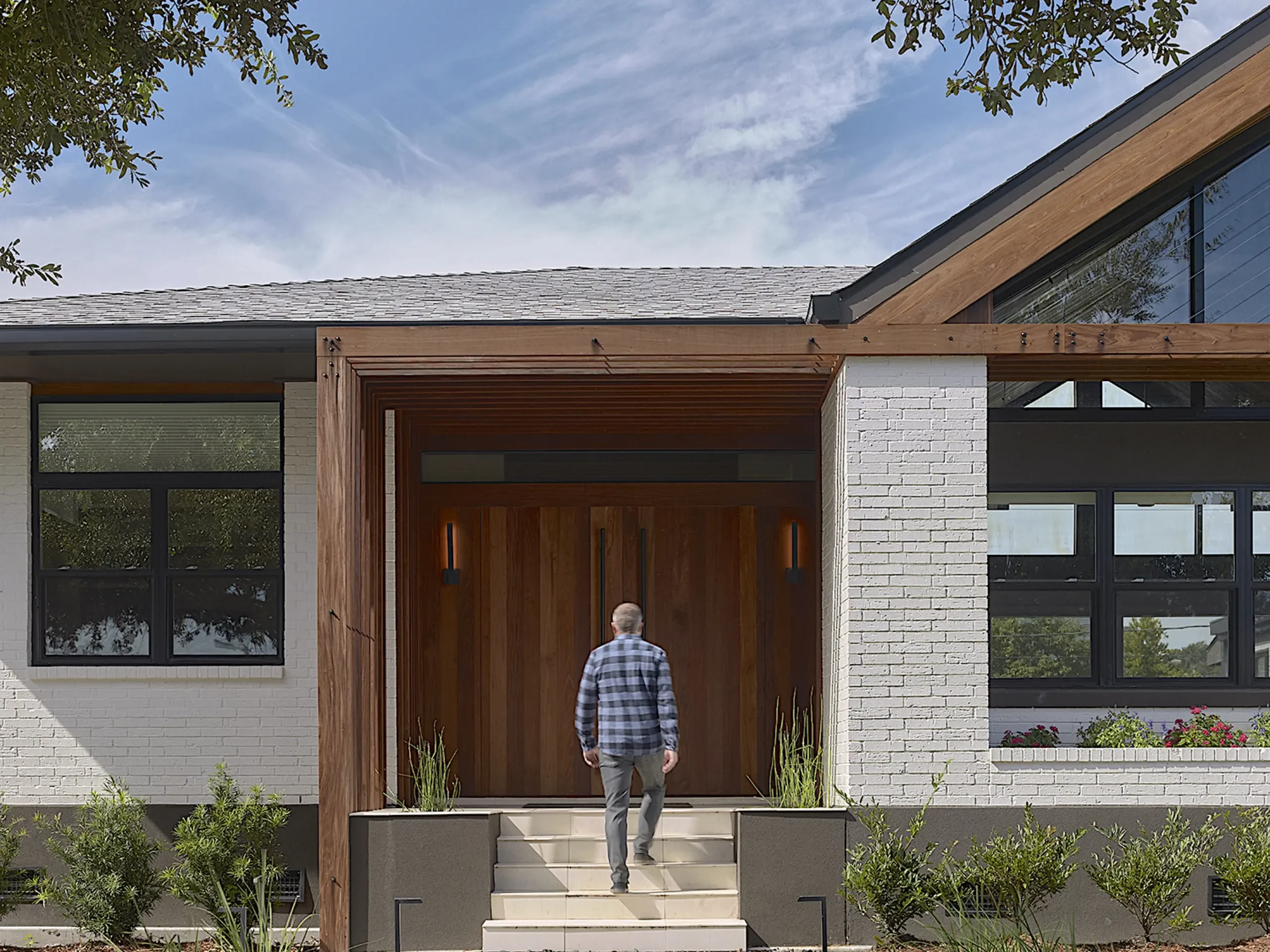
Preparing for Sale
Preparing
for sale
The journey starts long before the ‘For Sale’ sign goes up.

Preparing
for sale
The journey starts long before the ‘For Sale’ sign goes up.
Welcome to The Long Way Home series: Preparing for Sale
Selling your home isn’t a one-step process. It’s a multi-phase journey that starts months before your first open home and continues right through to moving day. Done well, it can significantly increase your sale price, reduce stress, and help you move forward with confidence.
At Trends Property, we’ve broken this process down into 8 clear stages, from the very first decision to sell through to final settlement, and built the tools and guides to support you every step of the way.
On this Journey, you will learn:
- How to start assembling your support network early (lawyers, agents, trades)
- What to look for when visiting local open homes
- Why getting multiple appraisals now helps clarify your strategy
- What documents will you need ready before your home even hits the market
- The benefits of staging, professional photography and choosing the right sales method
You’ll also get a sense of the full 8-phase roadmap:
- Decision to Sell – What to ask yourself before starting
- Preparation & Research – Lay the groundwork and build your team
- Property Assessments & Expert Input – Get appraisals, inspections, and strategy advice
- Planning & Upgrades – What to fix, what to stage, and where to invest
- Listing & Launch– Marketing campaigns, open homes, buyer engagement
- Offers & Conditions – Review, negotiate, and go unconditional
- Pre-Settlement Tasks – Packing, cleaning, moving, final inspections
- Settlement Day – Keys handed over, legal transfer complete
In the full guide, you will see detailed checklists, buyer behaviour insights, legal timelines, and renovation tips tailored to New Zealand homes. You’ll get the clarity, confidence, and control to sell on your terms and make smarter decisions, every step of the way.

Selling your home isn’t a one-step process. It’s a multi-phase journey that starts months before your first open home and continues right through to moving day. Done well, it can significantly increase your sale price, reduce stress, and help you move forward with confidence.
At Trends Property, we’ve broken this process down into 8 clear stages, from the very first decision to sell through to final settlement, and built the tools and guides to support you every step of the way.
On this Journey, you will learn:
- How to start assembling your support network early (lawyers, agents, trades)
- What to look for when visiting local open homes
- Why getting multiple appraisals now helps clarify your strategy
- What documents will you need ready before your home even hits the market
- The benefits of staging, professional photography and choosing the right sales method
You’ll also get a sense of the full 8-phase roadmap:
- Decision to Sell – What to ask yourself before starting
- Preparation & Research – Lay the groundwork and build your team
- Property Assessments & Expert Input – Get appraisals, inspections, and strategy advice
- Planning & Upgrades – What to fix, what to stage, and where to invest
- Listing & Launch– Marketing campaigns, open homes, buyer engagement
- Offers & Conditions – Review, negotiate, and go unconditional
- Pre-Settlement Tasks – Packing, cleaning, moving, final inspections
- Settlement Day – Keys handed over, legal transfer complete
In the full guide, you will see detailed checklists, buyer behaviour insights, legal timelines, and renovation tips tailored to New Zealand homes. You’ll get the clarity, confidence, and control to sell on your terms and make smarter decisions, every step of the way.
Want access to the full guide?
Create your free myTrends Property account to explore every phase of your journey. Plan, learn, save, and take action with full access to guides and tools tailored to Kiwi homeowners.
Want access to the full guide?
Create your free myTrends Property account to explore every phase of your journey. Plan, learn, save, and take action with full access to guides and tools tailored to Kiwi homeowners.
1. Join
Your personalised Trends Property journey starts here
Creating a free myTrends Property account is the first step toward turning inspiration into action, whether you’re renovating to stay, preparing your home for sale, getting ready to buy, or looking to build. As soon as you join, the platform begins to tailor your experience based on your goals, so everything you see is more relevant, timely, and aligned with your personal property journey.
- Create a free myTrends Property account quickly and easily in seconds.
- Answer a few quick questions to customise your experience, such as your property goals, project timeframe, and design interests.
Get tailored content and tools matched to your project goals, so your myTrends Account page, recommendations, and guides are always aligned with where you’re at.
2. Guides
Step-by-step advice at the right time, in the right order
- Access Quick Guides, Mini Guides, and full-length Courses
- Learn about property, renovation, design, and building
- Understand what to ask and expect from trusted professionals
3. Notes
Capture ideas and inspiration in one central place
- Add written notes or paste links and references
- Organise notes into folders and highlight important ones
- Pin key thoughts to the top for your team to see
4. Resources
Upload and store all your project files securely
- Save brochures, quotes, PDFs, images, or spreadsheets
- Share with your team to keep everyone aligned
- Avoid multiple email versions with one source of truth
5. Team
Invite others to collaborate on your project
- Add up to 9 collaborators (friends, family, pros)
- Assign access levels: Partner or Collaborator
- Share updates, ideas, and resources in one place
6. Save
Collect content that inspires you and keep it organised
- Bookmark articles, videos, audio, case studies and portfolio.
- Add your own notes and reflections to saved items
- Revisit ideas and turn inspiration into action
7. Visualise
Build your own visual library of property ideas
- Save images from any section of the site
- Group images by custom folders like “Kitchen Ideas” or “Landscaping”
- Revisit later and share with your team or design professional
Create your free myTrends Property account to explore every phase of your journey. Plan, learn, save, and take action with full access to guides and tools tailored to Kiwi homeowners.

Builders & Build Services

Rinse, repeat and refine
This kitchen echoes another for the same owner, but here the materials of choice are richer and more deeply layered for an even stronger outcome with elements echoing the stunning Lake Rotoiti setting

Underneath the arches
This refined kitchen works hard – a centrepiece for the wider living area, its restrained palette relies on tonal variation and subtle contrast to create depth; arches are a recurring motif, one leading to the tucked away scullery

Natural connection
Part of a wider transformation, this refined twin-island kitchen is the star of the show – central to a seamless interior flow, the workspace features walnut-stained oak cabinetry and a hidden butler’s scullery

Sculptural centrepiece
Ideal for both entertaining and family moments, this kitchen features an unadorned timber-clad island as a gathering point, with functionality relegated to back wall and pantry

Walnut and weatherboards
Key existing built elements and materials were retained and extended in this respectful indoor/outdoor kitchen design that celebrates the home's mid-century modernist origins – charm and warmth are the winners

Redefining what’s possible in a compact kitchen
This kitchen in an Arts & Crafts bungalow improves spacial configuration; exports the bar area; and has space efficient cabinetry in key areas – an arched doorway and crafted detailing connect to the wider home

Seamless sanctuary
Rich, dark timber cabinetry meets stone benchtop in this upmarket yet pared back penthouse kitchen – high end appliances complete the sophisticated picture

A feast for the senses
Featuring liquid metal surfaces, bespoke joinery and hidden technology, this refined, function-rich kitchen also connects in material terms with its wider environment


Portfolios
View Industry Specialists

Altus Window Systems
Altus is a leading New Zealand manufacturer and exporter of innovative designs in aluminium extrusions and extrusion-based building systems.
Altus is an award winning leader of the Aluminium extrusion and rolled product market. We specialise in design, manufacture, import and export of extrusion and rolled product, and distribute to both local and International markets.
We’re experts in creating solutions to integrate and partner with our customers across a wide range of sectors; marine, transport, architectural systems, window and door fabrication, mechanical engineering and agricultural industries.

Askö
Furniture designed for life. Ethically made dining and living furniture and accessories by international and New Zealand designers where refined elegance meets sleek, contemporary form. Explore our extensive range of designer furniture via our Christchurch showroom or browse online.
Box™
Box isn’t like other New Zealand architecture firms; we’re a building design company responsible for every part of the process, from design to construction. If you’re looking for a team of designers or builders in Auckland, we can help.
The best architects know what it means to design both beautifully and practically, ensuring the best builders can, in turn, build more efficiently and collaboratively with you and the designer or architect.
Our consistent and attentive involvement of each team throughout the entire design-build process includes our in-house cost estimation team, who value-engineer projects to ensure the highest quality and value, while respecting your vision as our client.
Frontier Pools
We specialise in bespoke concrete swimming pool design and construction.
From infinity-edge showpieces to compact plunge pools in tight city spaces, we create concrete pools in any shape, size, or finish. The possibilities are endless and the quality is uncompromising.
With an expert in-house team, we manage every step, from concept to completion, delivering high-quality pools tailored to your space, style, and lifestyle.

Kitchen Studio
At Kitchen Studio we are very proud of the fact that we are been voted the most trusted kitchen brand in New Zealand for the ninth year running, and there are good reasons why more Kiwis trust us to transform their kitchen than anyone else.

Landmark Homes
Founding directors Paul and Debbie Clarke established Landmark Homes in 1977. Their vision was to offer “something more exciting” than the average home: a home that made creative use of space but was also beautiful to live in.
Mastercraft Kitchens
Founded in 1985, we are the largest group of independently owned and operated kitchen businesses in New Zealand, operating under a national banner. Our licensees have been carefully selected and are experts in their craft. We share an absolute passion for the design, manufacture and installation of high quality, well designed kitchens and other household cabinetry provided with personalised, friendly local service. Think national - be local.

Plumbing World
Plumbing World is New Zealand’s most prominent 100% Kiwi-owned national plumbing merchant, operating over 50 branches from Kerikeri to Invercargill. Plumbing World offers a wide range of bathroom, kitchen, laundry, heating, and hot water products, catering to trade professionals and homeowners.

Poggenpohl
Poggenpohl is a premium German kitchen brand known for its innovation, timeless design, and precision craftsmanship, offering bespoke kitchen solutions that blend luxury with functionality.

Hot Springs Spas
Kiwis are naturally drawn to the water. After all, we are completely surrounded by the ocean on all sides. There is something about the relaxing lull and healing properties of water immersion that we can't seem to get enough of. It is why spa pools have become such a backyard staple for many Kiwis over the last 40 years.
Spa pools are not only a place to soak away the stresses of the day but also a way to connect with nature, family and friends and to spend quality time far away from modern day distractions.
Kiwis by nature have a desire for high quality product which is why Hot Spring® spas are relenting in delivering those quality spa pool products to New Zealand and beyond.

Registered Master Landscapers
With a commitment to craftsmanship, professionalism, and integrity, Registered Master Landscapers members represent some of New Zealand’s leading landscape design, build, and maintenance specialists.
Since 1985, the association has promoted quality trade practices and recognised excellence across the landscaping industry, with members assessed on the standard of their work and business practices.
From beautifully designed outdoor living spaces to large-scale landscape transformations, this portfolio showcases projects that reflect creativity, technical expertise, environmental awareness, and a dedication to delivering exceptional results for New Zealand homeowners and communities.

Plantation Bamboo
Building or renovating your space? It’s not just about finding materials that match your values of sustainability and durability; you want them to look fantastic too. But with so many options out there, the search can be daunting.
That’s where Plantation Bamboo comes in.
We understand the challenges you face in navigating through countless choices. That’s why we specialise exclusively in bamboo. Our focus is to simplify your search for the perfect building material that not only meets your sustainability and durability criteria but also adds a touch of natural elegance to your space.
Luxaflex®
Luxaflex® has been adding style and sophistication to New Zealand windows since the 1950s. Our design heritage is founded on innovation for today and tomorrow while taking care to celebrate the beauty in the details. To us, form and function are synonymous. Consistently pushing the boundaries, we are proud to be the market-leaders in daylight regulation and solar heat control solutions.
We combine unique design and practical features to create outstanding products – the essential ingredients for creating any discerning home.
Portfolios
View Industry Specialists
Askö
Furniture designed for life. Ethically made dining and living furniture and accessories by international and New Zealand designers where refined elegance meets sleek, contemporary form. Explore our extensive range of designer furniture via our Christchurch showroom or browse online.
Plumbing World
Plumbing World is New Zealand’s most prominent 100% Kiwi-owned national plumbing merchant, operating over 50 branches from Kerikeri to Invercargill. Plumbing World offers a wide range of bathroom, kitchen, laundry, heating, and hot water products, catering to trade professionals and homeowners.
Landmark Homes
Founding directors Paul and Debbie Clarke established Landmark Homes in 1977. Their vision was to offer “something more exciting” than the average home: a home that made creative use of space but was also beautiful to live in.
Poggenpohl
Poggenpohl is a premium German kitchen brand known for its innovation, timeless design, and precision craftsmanship, offering bespoke kitchen solutions that blend luxury with functionality.
Mastercraft Kitchens
Founded in 1985, we are the largest group of independently owned and operated kitchen businesses in New Zealand, operating under a national banner. Our licensees have been carefully selected and are experts in their craft. We share an absolute passion for the design, manufacture and installation of high quality, well designed kitchens and other household cabinetry provided with personalised, friendly local service. Think national - be local.
Kitchen Studio
At Kitchen Studio we are very proud of the fact that we are been voted the most trusted kitchen brand in New Zealand for the ninth year running, and there are good reasons why more Kiwis trust us to transform their kitchen than anyone else.
Box™
Box isn’t like other New Zealand architecture firms; we’re a building design company responsible for every part of the process, from design to construction. If you’re looking for a team of designers or builders in Auckland, we can help.
The best architects know what it means to design both beautifully and practically, ensuring the best builders can, in turn, build more efficiently and collaboratively with you and the designer or architect.
Our consistent and attentive involvement of each team throughout the entire design-build process includes our in-house cost estimation team, who value-engineer projects to ensure the highest quality and value, while respecting your vision as our client.
Frontier Pools
We specialise in bespoke concrete swimming pool design and construction.
From infinity-edge showpieces to compact plunge pools in tight city spaces, we create concrete pools in any shape, size, or finish. The possibilities are endless and the quality is uncompromising.
With an expert in-house team, we manage every step, from concept to completion, delivering high-quality pools tailored to your space, style, and lifestyle.
Altus Window Systems
Altus is a leading New Zealand manufacturer and exporter of innovative designs in aluminium extrusions and extrusion-based building systems.
Altus is an award winning leader of the Aluminium extrusion and rolled product market. We specialise in design, manufacture, import and export of extrusion and rolled product, and distribute to both local and International markets.
We’re experts in creating solutions to integrate and partner with our customers across a wide range of sectors; marine, transport, architectural systems, window and door fabrication, mechanical engineering and agricultural industries.


Flooring

At one with the forest
This 21m² footprint, three-level sleepout/study is nestled amongst native trees on a residential property – shaped to conform with setbacks and the mature trees themselves, the hideaway is near invisible on approach
Strong and sustainable – the decking builders are loving
Specialist bamboo importer and distributor Plantation Bamboo offers high quality, sustainable bamboo products – including game-changing Bamboo X-treme Decking

Strong, sexy and sustainable – the magic of bamboo
Bamboo is a great choice for a wide range of building-related solutions – specialists Plantation Bamboo outline some of the key reasons
Bamboo cladding and decking – good looks meets strength and sustainability
Spring and summer are coming, the perfect time to get your home or decking project underway – Plantation Bamboo offers a range of advanced bamboo cladding and decking products that are easy on the eye and easy to install, here are two of the most popular
Calming and connected
This coastal garden celebrates privacy, calm, and filtered light, along with soft tones & textures – the private space connects naturally with the home's interior living spaces
Seamless sanctuary
Rich, dark timber cabinetry meets stone benchtop in this upmarket yet pared back penthouse kitchen – high end appliances complete the sophisticated picture
Outdoor rooms that work year-round in New Zealand climates
Designing outdoor rooms that function beautifully in every New Zealand season.
Protecting decks and patios from sun, wind, and rain
Practical ways to shield outdoor areas from the elements while keeping them inviting and functional.


Portfolios
View Industry Specialists
Altus Window Systems
Altus is a leading New Zealand manufacturer and exporter of innovative designs in aluminium extrusions and extrusion-based building systems.
Altus is an award winning leader of the Aluminium extrusion and rolled product market. We specialise in design, manufacture, import and export of extrusion and rolled product, and distribute to both local and International markets.
We’re experts in creating solutions to integrate and partner with our customers across a wide range of sectors; marine, transport, architectural systems, window and door fabrication, mechanical engineering and agricultural industries.
Askö
Furniture designed for life. Ethically made dining and living furniture and accessories by international and New Zealand designers where refined elegance meets sleek, contemporary form. Explore our extensive range of designer furniture via our Christchurch showroom or browse online.
Box™
Box isn’t like other New Zealand architecture firms; we’re a building design company responsible for every part of the process, from design to construction. If you’re looking for a team of designers or builders in Auckland, we can help.
The best architects know what it means to design both beautifully and practically, ensuring the best builders can, in turn, build more efficiently and collaboratively with you and the designer or architect.
Our consistent and attentive involvement of each team throughout the entire design-build process includes our in-house cost estimation team, who value-engineer projects to ensure the highest quality and value, while respecting your vision as our client.
Frontier Pools
We specialise in bespoke concrete swimming pool design and construction.
From infinity-edge showpieces to compact plunge pools in tight city spaces, we create concrete pools in any shape, size, or finish. The possibilities are endless and the quality is uncompromising.
With an expert in-house team, we manage every step, from concept to completion, delivering high-quality pools tailored to your space, style, and lifestyle.
Kitchen Studio
At Kitchen Studio we are very proud of the fact that we are been voted the most trusted kitchen brand in New Zealand for the ninth year running, and there are good reasons why more Kiwis trust us to transform their kitchen than anyone else.
Landmark Homes
Founding directors Paul and Debbie Clarke established Landmark Homes in 1977. Their vision was to offer “something more exciting” than the average home: a home that made creative use of space but was also beautiful to live in.
Mastercraft Kitchens
Founded in 1985, we are the largest group of independently owned and operated kitchen businesses in New Zealand, operating under a national banner. Our licensees have been carefully selected and are experts in their craft. We share an absolute passion for the design, manufacture and installation of high quality, well designed kitchens and other household cabinetry provided with personalised, friendly local service. Think national - be local.
Plumbing World
Plumbing World is New Zealand’s most prominent 100% Kiwi-owned national plumbing merchant, operating over 50 branches from Kerikeri to Invercargill. Plumbing World offers a wide range of bathroom, kitchen, laundry, heating, and hot water products, catering to trade professionals and homeowners.
Poggenpohl
Poggenpohl is a premium German kitchen brand known for its innovation, timeless design, and precision craftsmanship, offering bespoke kitchen solutions that blend luxury with functionality.
Hot Springs Spas
Kiwis are naturally drawn to the water. After all, we are completely surrounded by the ocean on all sides. There is something about the relaxing lull and healing properties of water immersion that we can't seem to get enough of. It is why spa pools have become such a backyard staple for many Kiwis over the last 40 years.
Spa pools are not only a place to soak away the stresses of the day but also a way to connect with nature, family and friends and to spend quality time far away from modern day distractions.
Kiwis by nature have a desire for high quality product which is why Hot Spring® spas are relenting in delivering those quality spa pool products to New Zealand and beyond.
Registered Master Landscapers
With a commitment to craftsmanship, professionalism, and integrity, Registered Master Landscapers members represent some of New Zealand’s leading landscape design, build, and maintenance specialists.
Since 1985, the association has promoted quality trade practices and recognised excellence across the landscaping industry, with members assessed on the standard of their work and business practices.
From beautifully designed outdoor living spaces to large-scale landscape transformations, this portfolio showcases projects that reflect creativity, technical expertise, environmental awareness, and a dedication to delivering exceptional results for New Zealand homeowners and communities.
Plantation Bamboo
Building or renovating your space? It’s not just about finding materials that match your values of sustainability and durability; you want them to look fantastic too. But with so many options out there, the search can be daunting.
That’s where Plantation Bamboo comes in.
We understand the challenges you face in navigating through countless choices. That’s why we specialise exclusively in bamboo. Our focus is to simplify your search for the perfect building material that not only meets your sustainability and durability criteria but also adds a touch of natural elegance to your space.
Luxaflex®
Luxaflex® has been adding style and sophistication to New Zealand windows since the 1950s. Our design heritage is founded on innovation for today and tomorrow while taking care to celebrate the beauty in the details. To us, form and function are synonymous. Consistently pushing the boundaries, we are proud to be the market-leaders in daylight regulation and solar heat control solutions.
We combine unique design and practical features to create outstanding products – the essential ingredients for creating any discerning home.
Portfolios
View Industry Specialists
Askö
Furniture designed for life. Ethically made dining and living furniture and accessories by international and New Zealand designers where refined elegance meets sleek, contemporary form. Explore our extensive range of designer furniture via our Christchurch showroom or browse online.
Plumbing World
Plumbing World is New Zealand’s most prominent 100% Kiwi-owned national plumbing merchant, operating over 50 branches from Kerikeri to Invercargill. Plumbing World offers a wide range of bathroom, kitchen, laundry, heating, and hot water products, catering to trade professionals and homeowners.
Landmark Homes
Founding directors Paul and Debbie Clarke established Landmark Homes in 1977. Their vision was to offer “something more exciting” than the average home: a home that made creative use of space but was also beautiful to live in.
Poggenpohl
Poggenpohl is a premium German kitchen brand known for its innovation, timeless design, and precision craftsmanship, offering bespoke kitchen solutions that blend luxury with functionality.
Mastercraft Kitchens
Founded in 1985, we are the largest group of independently owned and operated kitchen businesses in New Zealand, operating under a national banner. Our licensees have been carefully selected and are experts in their craft. We share an absolute passion for the design, manufacture and installation of high quality, well designed kitchens and other household cabinetry provided with personalised, friendly local service. Think national - be local.
Kitchen Studio
At Kitchen Studio we are very proud of the fact that we are been voted the most trusted kitchen brand in New Zealand for the ninth year running, and there are good reasons why more Kiwis trust us to transform their kitchen than anyone else.
Box™
Box isn’t like other New Zealand architecture firms; we’re a building design company responsible for every part of the process, from design to construction. If you’re looking for a team of designers or builders in Auckland, we can help.
The best architects know what it means to design both beautifully and practically, ensuring the best builders can, in turn, build more efficiently and collaboratively with you and the designer or architect.
Our consistent and attentive involvement of each team throughout the entire design-build process includes our in-house cost estimation team, who value-engineer projects to ensure the highest quality and value, while respecting your vision as our client.
Frontier Pools
We specialise in bespoke concrete swimming pool design and construction.
From infinity-edge showpieces to compact plunge pools in tight city spaces, we create concrete pools in any shape, size, or finish. The possibilities are endless and the quality is uncompromising.
With an expert in-house team, we manage every step, from concept to completion, delivering high-quality pools tailored to your space, style, and lifestyle.
Altus Window Systems
Altus is a leading New Zealand manufacturer and exporter of innovative designs in aluminium extrusions and extrusion-based building systems.
Altus is an award winning leader of the Aluminium extrusion and rolled product market. We specialise in design, manufacture, import and export of extrusion and rolled product, and distribute to both local and International markets.
We’re experts in creating solutions to integrate and partner with our customers across a wide range of sectors; marine, transport, architectural systems, window and door fabrication, mechanical engineering and agricultural industries.
Sinks
Contemporary black and white kitchen with dark-stained American oak and white lacquer
Modern kitchen in contemporary beach house features white lacquered island with waterfall sides, dark American oak cabinets, marble splashback
Desert romance
Sandy tones, soft curves and repeated interior design elements add to the character of this contemporary, centrally set family kitchen

Choosing the Right Kitchen Sink for Your Lifestyle
Your kitchen sink and tapware should go beyond aesthetics to reflect your daily habits combining smart materials, practical design, and stylish features to create a functional and elegant centrepiece.
The Prep Zone Powerhouse, Sinks That Streamline the Cooking Flow
Optimising the prep area around your sink can lift your entire kitchen experience
Family First, Kitchen Sinks That Keep Up With Busy Homes
From morning rush to evening clean-up, the right sink can take the pressure off family living
Statement Sinks, When the Kitchen Centrepiece Isn’t the Island
The right sink can become the focal point of your kitchen, combining bold design with everyday purpose
Small Space, Big Impact, Sink Solutions for Compact Kitchens
Even the tiniest kitchen deserves a sink that delivers on both function and style
Function Meets Form: Choosing the Right Kitchen Sink for Your Lifestyle
Modern sinks do more than hold water, they enhance your kitchen's flow, hygiene, and design

Industrial edge
Dark and moody with an industrial level extractor in the mix, this kitchen creates a thoroughly modern workspace within a classic villa
In the limelight
This high-ceilinged kitchen looks out on dining, living, a central courtyard and side garden – and occupants of these spaces enjoy looking back
Farmhouse vibes and city views
This kitchen and adjacent living areas re-imagine the open, friendly and casual pleasure in farmhouse living – sharing time & home cooked food
Throwing out the rule book
An innovative positioning of wood-crafted cabinetry and islands optimises flow, preserves existing elements and creates kitchen privacy


Looking for more inspiration, visit trendsideas.com 
Portfolios
View Industry Specialists
Altus Window Systems
Altus is a leading New Zealand manufacturer and exporter of innovative designs in aluminium extrusions and extrusion-based building systems.
Altus is an award winning leader of the Aluminium extrusion and rolled product market. We specialise in design, manufacture, import and export of extrusion and rolled product, and distribute to both local and International markets.
We’re experts in creating solutions to integrate and partner with our customers across a wide range of sectors; marine, transport, architectural systems, window and door fabrication, mechanical engineering and agricultural industries.
Askö
Furniture designed for life. Ethically made dining and living furniture and accessories by international and New Zealand designers where refined elegance meets sleek, contemporary form. Explore our extensive range of designer furniture via our Christchurch showroom or browse online.
Box™
Box isn’t like other New Zealand architecture firms; we’re a building design company responsible for every part of the process, from design to construction. If you’re looking for a team of designers or builders in Auckland, we can help.
The best architects know what it means to design both beautifully and practically, ensuring the best builders can, in turn, build more efficiently and collaboratively with you and the designer or architect.
Our consistent and attentive involvement of each team throughout the entire design-build process includes our in-house cost estimation team, who value-engineer projects to ensure the highest quality and value, while respecting your vision as our client.
Frontier Pools
We specialise in bespoke concrete swimming pool design and construction.
From infinity-edge showpieces to compact plunge pools in tight city spaces, we create concrete pools in any shape, size, or finish. The possibilities are endless and the quality is uncompromising.
With an expert in-house team, we manage every step, from concept to completion, delivering high-quality pools tailored to your space, style, and lifestyle.
Kitchen Studio
At Kitchen Studio we are very proud of the fact that we are been voted the most trusted kitchen brand in New Zealand for the ninth year running, and there are good reasons why more Kiwis trust us to transform their kitchen than anyone else.
Landmark Homes
Founding directors Paul and Debbie Clarke established Landmark Homes in 1977. Their vision was to offer “something more exciting” than the average home: a home that made creative use of space but was also beautiful to live in.
Mastercraft Kitchens
Founded in 1985, we are the largest group of independently owned and operated kitchen businesses in New Zealand, operating under a national banner. Our licensees have been carefully selected and are experts in their craft. We share an absolute passion for the design, manufacture and installation of high quality, well designed kitchens and other household cabinetry provided with personalised, friendly local service. Think national - be local.
Plumbing World
Plumbing World is New Zealand’s most prominent 100% Kiwi-owned national plumbing merchant, operating over 50 branches from Kerikeri to Invercargill. Plumbing World offers a wide range of bathroom, kitchen, laundry, heating, and hot water products, catering to trade professionals and homeowners.
Poggenpohl
Poggenpohl is a premium German kitchen brand known for its innovation, timeless design, and precision craftsmanship, offering bespoke kitchen solutions that blend luxury with functionality.
Hot Springs Spas
Kiwis are naturally drawn to the water. After all, we are completely surrounded by the ocean on all sides. There is something about the relaxing lull and healing properties of water immersion that we can't seem to get enough of. It is why spa pools have become such a backyard staple for many Kiwis over the last 40 years.
Spa pools are not only a place to soak away the stresses of the day but also a way to connect with nature, family and friends and to spend quality time far away from modern day distractions.
Kiwis by nature have a desire for high quality product which is why Hot Spring® spas are relenting in delivering those quality spa pool products to New Zealand and beyond.
Registered Master Landscapers
With a commitment to craftsmanship, professionalism, and integrity, Registered Master Landscapers members represent some of New Zealand’s leading landscape design, build, and maintenance specialists.
Since 1985, the association has promoted quality trade practices and recognised excellence across the landscaping industry, with members assessed on the standard of their work and business practices.
From beautifully designed outdoor living spaces to large-scale landscape transformations, this portfolio showcases projects that reflect creativity, technical expertise, environmental awareness, and a dedication to delivering exceptional results for New Zealand homeowners and communities.
Plantation Bamboo
Building or renovating your space? It’s not just about finding materials that match your values of sustainability and durability; you want them to look fantastic too. But with so many options out there, the search can be daunting.
That’s where Plantation Bamboo comes in.
We understand the challenges you face in navigating through countless choices. That’s why we specialise exclusively in bamboo. Our focus is to simplify your search for the perfect building material that not only meets your sustainability and durability criteria but also adds a touch of natural elegance to your space.
Luxaflex®
Luxaflex® has been adding style and sophistication to New Zealand windows since the 1950s. Our design heritage is founded on innovation for today and tomorrow while taking care to celebrate the beauty in the details. To us, form and function are synonymous. Consistently pushing the boundaries, we are proud to be the market-leaders in daylight regulation and solar heat control solutions.
We combine unique design and practical features to create outstanding products – the essential ingredients for creating any discerning home.
Portfolios
View Industry Specialists
Askö
Furniture designed for life. Ethically made dining and living furniture and accessories by international and New Zealand designers where refined elegance meets sleek, contemporary form. Explore our extensive range of designer furniture via our Christchurch showroom or browse online.
Plumbing World
Plumbing World is New Zealand’s most prominent 100% Kiwi-owned national plumbing merchant, operating over 50 branches from Kerikeri to Invercargill. Plumbing World offers a wide range of bathroom, kitchen, laundry, heating, and hot water products, catering to trade professionals and homeowners.
Landmark Homes
Founding directors Paul and Debbie Clarke established Landmark Homes in 1977. Their vision was to offer “something more exciting” than the average home: a home that made creative use of space but was also beautiful to live in.
Poggenpohl
Poggenpohl is a premium German kitchen brand known for its innovation, timeless design, and precision craftsmanship, offering bespoke kitchen solutions that blend luxury with functionality.
Mastercraft Kitchens
Founded in 1985, we are the largest group of independently owned and operated kitchen businesses in New Zealand, operating under a national banner. Our licensees have been carefully selected and are experts in their craft. We share an absolute passion for the design, manufacture and installation of high quality, well designed kitchens and other household cabinetry provided with personalised, friendly local service. Think national - be local.
Kitchen Studio
At Kitchen Studio we are very proud of the fact that we are been voted the most trusted kitchen brand in New Zealand for the ninth year running, and there are good reasons why more Kiwis trust us to transform their kitchen than anyone else.
Box™
Box isn’t like other New Zealand architecture firms; we’re a building design company responsible for every part of the process, from design to construction. If you’re looking for a team of designers or builders in Auckland, we can help.
The best architects know what it means to design both beautifully and practically, ensuring the best builders can, in turn, build more efficiently and collaboratively with you and the designer or architect.
Our consistent and attentive involvement of each team throughout the entire design-build process includes our in-house cost estimation team, who value-engineer projects to ensure the highest quality and value, while respecting your vision as our client.
Frontier Pools
We specialise in bespoke concrete swimming pool design and construction.
From infinity-edge showpieces to compact plunge pools in tight city spaces, we create concrete pools in any shape, size, or finish. The possibilities are endless and the quality is uncompromising.
With an expert in-house team, we manage every step, from concept to completion, delivering high-quality pools tailored to your space, style, and lifestyle.
Altus Window Systems
Altus is a leading New Zealand manufacturer and exporter of innovative designs in aluminium extrusions and extrusion-based building systems.
Altus is an award winning leader of the Aluminium extrusion and rolled product market. We specialise in design, manufacture, import and export of extrusion and rolled product, and distribute to both local and International markets.
We’re experts in creating solutions to integrate and partner with our customers across a wide range of sectors; marine, transport, architectural systems, window and door fabrication, mechanical engineering and agricultural industries.
Rinse, repeat and refine
This kitchen echoes another for the same owner, but here the materials of choice are richer and more deeply layered for an even stronger outcome with elements echoing the stunning Lake Rotoiti setting
Underneath the arches
This refined kitchen works hard – a centrepiece for the wider living area, its restrained palette relies on tonal variation and subtle contrast to create depth; arches are a recurring motif, one leading to the tucked away scullery
Natural connection
Part of a wider transformation, this refined twin-island kitchen is the star of the show – central to a seamless interior flow, the workspace features walnut-stained oak cabinetry and a hidden butler’s scullery
Sculptural centrepiece
Ideal for both entertaining and family moments, this kitchen features an unadorned timber-clad island as a gathering point, with functionality relegated to back wall and pantry

Walnut and weatherboards
Key existing built elements and materials were retained and extended in this respectful indoor/outdoor kitchen design that celebrates the home's mid-century modernist origins – charm and warmth are the winners
Redefining what’s possible in a compact kitchen
This kitchen in an Arts & Crafts bungalow improves spacial configuration; exports the bar area; and has space efficient cabinetry in key areas – an arched doorway and crafted detailing connect to the wider home
A feast for the senses
Featuring liquid metal surfaces, bespoke joinery and hidden technology, this refined, function-rich kitchen also connects in material terms with its wider environment
Slow down, take a breath
Designed along biophilic principles, this show home kitchen/scullery connects with nature and radiates positive energy – inviting visitors to linger
Refined yet inviting
Heredity meets personality in this kitchen makeover which inject character, warmth, and a cohesive design sense that connects with the wider home's ambiance – a handcrafted vibe pervades the space
Black and white world
A key part of a kitchen is what's immediately surrounding it – here, the designer simplified and lime washed the walls which dramatically contrast the minimalist black kitchen itself
Looking for more inspiration, visit trendsideas.com

Cabinetry
Rinse, repeat and refine
This kitchen echoes another for the same owner, but here the materials of choice are richer and more deeply layered for an even stronger outcome with elements echoing the stunning Lake Rotoiti setting
Underneath the arches
This refined kitchen works hard – a centrepiece for the wider living area, its restrained palette relies on tonal variation and subtle contrast to create depth; arches are a recurring motif, one leading to the tucked away scullery
Natural connection
Part of a wider transformation, this refined twin-island kitchen is the star of the show – central to a seamless interior flow, the workspace features walnut-stained oak cabinetry and a hidden butler’s scullery
Sculptural centrepiece
Ideal for both entertaining and family moments, this kitchen features an unadorned timber-clad island as a gathering point, with functionality relegated to back wall and pantry
Walnut and weatherboards
Key existing built elements and materials were retained and extended in this respectful indoor/outdoor kitchen design that celebrates the home's mid-century modernist origins – charm and warmth are the winners
Redefining what’s possible in a compact kitchen
This kitchen in an Arts & Crafts bungalow improves spacial configuration; exports the bar area; and has space efficient cabinetry in key areas – an arched doorway and crafted detailing connect to the wider home
Seamless sanctuary
Rich, dark timber cabinetry meets stone benchtop in this upmarket yet pared back penthouse kitchen – high end appliances complete the sophisticated picture
A feast for the senses
Featuring liquid metal surfaces, bespoke joinery and hidden technology, this refined, function-rich kitchen also connects in material terms with its wider environment


Portfolios
View Industry Specialists
Altus Window Systems
Altus is a leading New Zealand manufacturer and exporter of innovative designs in aluminium extrusions and extrusion-based building systems.
Altus is an award winning leader of the Aluminium extrusion and rolled product market. We specialise in design, manufacture, import and export of extrusion and rolled product, and distribute to both local and International markets.
We’re experts in creating solutions to integrate and partner with our customers across a wide range of sectors; marine, transport, architectural systems, window and door fabrication, mechanical engineering and agricultural industries.
Askö
Furniture designed for life. Ethically made dining and living furniture and accessories by international and New Zealand designers where refined elegance meets sleek, contemporary form. Explore our extensive range of designer furniture via our Christchurch showroom or browse online.
Box™
Box isn’t like other New Zealand architecture firms; we’re a building design company responsible for every part of the process, from design to construction. If you’re looking for a team of designers or builders in Auckland, we can help.
The best architects know what it means to design both beautifully and practically, ensuring the best builders can, in turn, build more efficiently and collaboratively with you and the designer or architect.
Our consistent and attentive involvement of each team throughout the entire design-build process includes our in-house cost estimation team, who value-engineer projects to ensure the highest quality and value, while respecting your vision as our client.
Frontier Pools
We specialise in bespoke concrete swimming pool design and construction.
From infinity-edge showpieces to compact plunge pools in tight city spaces, we create concrete pools in any shape, size, or finish. The possibilities are endless and the quality is uncompromising.
With an expert in-house team, we manage every step, from concept to completion, delivering high-quality pools tailored to your space, style, and lifestyle.
Kitchen Studio
At Kitchen Studio we are very proud of the fact that we are been voted the most trusted kitchen brand in New Zealand for the ninth year running, and there are good reasons why more Kiwis trust us to transform their kitchen than anyone else.
Landmark Homes
Founding directors Paul and Debbie Clarke established Landmark Homes in 1977. Their vision was to offer “something more exciting” than the average home: a home that made creative use of space but was also beautiful to live in.
Mastercraft Kitchens
Founded in 1985, we are the largest group of independently owned and operated kitchen businesses in New Zealand, operating under a national banner. Our licensees have been carefully selected and are experts in their craft. We share an absolute passion for the design, manufacture and installation of high quality, well designed kitchens and other household cabinetry provided with personalised, friendly local service. Think national - be local.
Plumbing World
Plumbing World is New Zealand’s most prominent 100% Kiwi-owned national plumbing merchant, operating over 50 branches from Kerikeri to Invercargill. Plumbing World offers a wide range of bathroom, kitchen, laundry, heating, and hot water products, catering to trade professionals and homeowners.
Poggenpohl
Poggenpohl is a premium German kitchen brand known for its innovation, timeless design, and precision craftsmanship, offering bespoke kitchen solutions that blend luxury with functionality.
Hot Springs Spas
Kiwis are naturally drawn to the water. After all, we are completely surrounded by the ocean on all sides. There is something about the relaxing lull and healing properties of water immersion that we can't seem to get enough of. It is why spa pools have become such a backyard staple for many Kiwis over the last 40 years.
Spa pools are not only a place to soak away the stresses of the day but also a way to connect with nature, family and friends and to spend quality time far away from modern day distractions.
Kiwis by nature have a desire for high quality product which is why Hot Spring® spas are relenting in delivering those quality spa pool products to New Zealand and beyond.
Registered Master Landscapers
With a commitment to craftsmanship, professionalism, and integrity, Registered Master Landscapers members represent some of New Zealand’s leading landscape design, build, and maintenance specialists.
Since 1985, the association has promoted quality trade practices and recognised excellence across the landscaping industry, with members assessed on the standard of their work and business practices.
From beautifully designed outdoor living spaces to large-scale landscape transformations, this portfolio showcases projects that reflect creativity, technical expertise, environmental awareness, and a dedication to delivering exceptional results for New Zealand homeowners and communities.
Plantation Bamboo
Building or renovating your space? It’s not just about finding materials that match your values of sustainability and durability; you want them to look fantastic too. But with so many options out there, the search can be daunting.
That’s where Plantation Bamboo comes in.
We understand the challenges you face in navigating through countless choices. That’s why we specialise exclusively in bamboo. Our focus is to simplify your search for the perfect building material that not only meets your sustainability and durability criteria but also adds a touch of natural elegance to your space.
Luxaflex®
Luxaflex® has been adding style and sophistication to New Zealand windows since the 1950s. Our design heritage is founded on innovation for today and tomorrow while taking care to celebrate the beauty in the details. To us, form and function are synonymous. Consistently pushing the boundaries, we are proud to be the market-leaders in daylight regulation and solar heat control solutions.
We combine unique design and practical features to create outstanding products – the essential ingredients for creating any discerning home.
Portfolios
View Industry Specialists
Askö
Furniture designed for life. Ethically made dining and living furniture and accessories by international and New Zealand designers where refined elegance meets sleek, contemporary form. Explore our extensive range of designer furniture via our Christchurch showroom or browse online.
Plumbing World
Plumbing World is New Zealand’s most prominent 100% Kiwi-owned national plumbing merchant, operating over 50 branches from Kerikeri to Invercargill. Plumbing World offers a wide range of bathroom, kitchen, laundry, heating, and hot water products, catering to trade professionals and homeowners.
Landmark Homes
Founding directors Paul and Debbie Clarke established Landmark Homes in 1977. Their vision was to offer “something more exciting” than the average home: a home that made creative use of space but was also beautiful to live in.
Poggenpohl
Poggenpohl is a premium German kitchen brand known for its innovation, timeless design, and precision craftsmanship, offering bespoke kitchen solutions that blend luxury with functionality.
Mastercraft Kitchens
Founded in 1985, we are the largest group of independently owned and operated kitchen businesses in New Zealand, operating under a national banner. Our licensees have been carefully selected and are experts in their craft. We share an absolute passion for the design, manufacture and installation of high quality, well designed kitchens and other household cabinetry provided with personalised, friendly local service. Think national - be local.
Kitchen Studio
At Kitchen Studio we are very proud of the fact that we are been voted the most trusted kitchen brand in New Zealand for the ninth year running, and there are good reasons why more Kiwis trust us to transform their kitchen than anyone else.
Box™
Box isn’t like other New Zealand architecture firms; we’re a building design company responsible for every part of the process, from design to construction. If you’re looking for a team of designers or builders in Auckland, we can help.
The best architects know what it means to design both beautifully and practically, ensuring the best builders can, in turn, build more efficiently and collaboratively with you and the designer or architect.
Our consistent and attentive involvement of each team throughout the entire design-build process includes our in-house cost estimation team, who value-engineer projects to ensure the highest quality and value, while respecting your vision as our client.
Frontier Pools
We specialise in bespoke concrete swimming pool design and construction.
From infinity-edge showpieces to compact plunge pools in tight city spaces, we create concrete pools in any shape, size, or finish. The possibilities are endless and the quality is uncompromising.
With an expert in-house team, we manage every step, from concept to completion, delivering high-quality pools tailored to your space, style, and lifestyle.
Altus Window Systems
Altus is a leading New Zealand manufacturer and exporter of innovative designs in aluminium extrusions and extrusion-based building systems.
Altus is an award winning leader of the Aluminium extrusion and rolled product market. We specialise in design, manufacture, import and export of extrusion and rolled product, and distribute to both local and International markets.
We’re experts in creating solutions to integrate and partner with our customers across a wide range of sectors; marine, transport, architectural systems, window and door fabrication, mechanical engineering and agricultural industries.
Interior


Explore articles by industry specialists
Head of the family
A refined, contemporary kitchen overlooks dining and living in an open-plan space – contributing to the wider cohesive material palette while still holding its own as a key architectural feature
Expanded horizons
Strategic spacial reconfiguration for this dual-toned kitchen project makes room for a generous scullery while gleaming mirror splashbacks refract the surrounding waterfront landscape
8 kitchen islands to inspire
The star of your kitchen and often your living spaces, the not-so-humble kitchen island comes in all shapes, materials and sizes – let this collection of sculptural stand-outs fire up your own project
Rinse, repeat and refine
This kitchen echoes another for the same owner, but here the materials of choice are richer and more deeply layered for an even stronger outcome with elements echoing the stunning Lake Rotoiti setting
Underneath the arches
This refined kitchen works hard – a centrepiece for the wider living area, its restrained palette relies on tonal variation and subtle contrast to create depth; arches are a recurring motif, one leading to the tucked away scullery
Natural connection
Part of a wider transformation, this refined twin-island kitchen is the star of the show – central to a seamless interior flow, the workspace features walnut-stained oak cabinetry and a hidden butler’s scullery
Continuity meets subtle separation
A generous, long kitchen-dining space – quietly dramatic in scale – has its proportions enhanced by richly detailed walnut joinery, fluted cabinetry, and strong blocks of colour
Marvellous in marble
A gleaming 5.6m-long marble island – a significant architectural feat in its own right – stands as the centrepiece of this attractive-meets-practical family kitchen
Head of the family
A refined, contemporary kitchen overlooks dining and living in an open-plan space – contributing to the wider cohesive material palette while still holding its own as a key architectural feature
Expanded horizons
Strategic spacial reconfiguration for this dual-toned kitchen project makes room for a generous scullery while gleaming mirror splashbacks refract the surrounding waterfront landscape
8 kitchen islands to inspire
The star of your kitchen and often your living spaces, the not-so-humble kitchen island comes in all shapes, materials and sizes – let this collection of sculptural stand-outs fire up your own project
Rinse, repeat and refine
This kitchen echoes another for the same owner, but here the materials of choice are richer and more deeply layered for an even stronger outcome with elements echoing the stunning Lake Rotoiti setting
Underneath the arches
This refined kitchen works hard – a centrepiece for the wider living area, its restrained palette relies on tonal variation and subtle contrast to…
Natural connection
Part of a wider transformation, this refined twin-island kitchen is the star of the show – central to a seamless interior flow, the workspace…
Continuity meets subtle separation
A generous, long kitchen-dining space – quietly dramatic in scale – has its proportions enhanced by richly detailed walnut joinery, fluted cabinetry,…
Marvellous in marble
A gleaming 5.6m-long marble island – a significant architectural feat in its own right – stands as the centrepiece of this attractive-meets-practical…


Portfolios
View Interior Industry Specialists
Renovating to Stay
Renovating
to stay
Love Where You Live?
You Don’t Have to Leave.
Renovating
to stay
Stay and Transform
Welcome to The Long Way Home series: Renovating to Stay
This guide is for homeowners who want to improve, not move. Whether it’s small upgrades like paint, tapware, and curtains, or big projects like kitchens, bathrooms, landscaping, or even an extension, this is your roadmap to loving your home even more.
You’ve already found your spot. Now it’s about making it work better for your lifestyle, future plans, and budget. We’ve broken things down into practical, NZ-specific phases with realistic costs, consent advice, and space-smart ideas.
From funding your project to avoiding renovation regrets, this guide will help you renovate with confidence and clarity, whether it’s this weekend or this year.
Phase 1: Love Your Location
Why renovating can be a smarter move than selling, plus real stories from New Zealanders who’ve done just that.
Phase 2: Map Your Lifestyle & Space
Audit your daily routines, pain-points, and future needs, so you renovate for the way you actually live.
Phase 3: Crunch the Numbers & Fund the Dream
Compare cost ranges and finance options including mortgage top-ups, refinancing, and personal loans.
Phase 4: Quick Wins This Weekend
Explore affordable projects that make a big impact, and learn which ones don’t need consent.
Phase 5: Room Rescues – Kitchen & Bathroom
Layout tips, cost bands, and style ideas for the two most value-adding rooms in the house.
Phase 6: Whole-Home Refresh
Look at flooring, insulation, lighting, and smart upgrades that improve comfort and efficiency.
Phase 7: Outdoor Upgrades
From decks to driveways, understand what’s possible, and what’s worth it, outside.
Phase 8: Additions & Structural Changes
Thinking bigger? Learn about wall removals, extensions, and full re-roofs, and when consents kick in.
Phase 9: The Consent Playbook
A plain-English walk-through of New Zealand’s building and resource consent process.
Phase 10: Working With Pros (or DIY?)
Vet tradies, review quotes, and understand your rights under NZ’s Building Act.
Phase 11: Scheduling & Risk
Plan around consent timelines, product lead times, and typical delays, with tools to stay on track.
Phase 12: Future-Proof & Sustain
Design for ageing in place, energy efficiency, and long-term livability.
Phase 13: Care & Maintenance
Learn how to protect your upgrades and stay on top of seasonal maintenance.
Already love where you live? This journey is for you.
We’ll guide you through affordable upgrades and long-term improvements, whether you’re repainting, replanting, or rethinking your entire floor plan.
Every phase is grounded in real NZ costs, council rules, and smart design tips to help you love your home even more.
PHASE 1:
Love Your Location
Discover why renovating can be smarter than selling, with inspiration from real homeowners.
PHASE:
Map Your Lifestyle & Space
Room-by-room audit to spot what’s working and what’s not.
PHASE:
Crunch the Numbers
Funding tips and cost bands for all project sizes.
PHASE:
Quick Wins This Weekend
Paint, hardware swaps, and low-cost upgrades you can start now.
PHASE:
Room Rescues – Kitchen & Bathroom
Modern layout advice and 2025 cost guides.
PHASE:
Whole-Home Refresh
Flooring, insulation, window furnishings, smart tech.
PHASE 7: Outdoor Upgrades
Decks, fences, driveways, and garden transformations.
PHASE 8: Additions & Structural Changes
Understand what’s possible and what needs consent.
PHASE 9: The Consent Playbook
NZ’s building process, explained in plain English.
PHASE 10: Working With Pros
Find reliable trades, decode quotes, avoid headaches.
PHASE11: Scheduling & Risk
Stay on track with planning tools and buffer tips.
PHASE 12: Future-Proof & Sustain
Design for aging in place, energy use, and comfort.
PHASE 13: Care & Maintenance
Protect your investment with seasonal checklists.
Want access to the full guide?
Create your free myTrends Property account to explore every phase of your journey. Plan, learn, save, and take action with full access to guides and tools tailored to Kiwi homeowners.
Want access to the full guide?
Create your free myTrends Property account to explore every phase of your journey. Plan, learn, save, and take action with full access to guides and tools tailored to Kiwi homeowners.
1. Join
Your personalised Trends Property journey starts here
Creating a free myTrends Property account is the first step toward turning inspiration into action, whether you’re renovating to stay, preparing your home for sale, getting ready to buy, or looking to build. As soon as you join, the platform begins to tailor your experience based on your goals, so everything you see is more relevant, timely, and aligned with your personal property journey.
- Create a free myTrends Property account quickly and easily in seconds.
- Answer a few quick questions to customise your experience, such as your property goals, project timeframe, and design interests.
Get tailored content and tools matched to your project goals, so your myTrends Account page, recommendations, and guides are always aligned with where you’re at.
2. Guides
Step-by-step advice at the right time, in the right order
- Access Quick Guides, Mini Guides, and full-length Courses
- Learn about property, renovation, design, and building
- Understand what to ask and expect from trusted professionals
3. Notes
Capture ideas and inspiration in one central place
- Add written notes or paste links and references
- Organise notes into folders and highlight important ones
- Pin key thoughts to the top for your team to see
4. Resources
Upload and store all your project files securely
- Save brochures, quotes, PDFs, images, or spreadsheets
- Share with your team to keep everyone aligned
- Avoid multiple email versions with one source of truth
5. Team
Invite others to collaborate on your project
- Add up to 9 collaborators (friends, family, pros)
- Assign access levels: Partner or Collaborator
- Share updates, ideas, and resources in one place
6. Save
Collect content that inspires you and keep it organised
- Bookmark articles, videos, audio, case studies and portfolio.
- Add your own notes and reflections to saved items
- Revisit ideas and turn inspiration into action
7. Visualise
Build your own visual library of property ideas
- Save images from any section of the site
- Group images by custom folders like “Kitchen Ideas” or “Landscaping”
- Revisit later and share with your team or design professional
Create your free myTrends Property account to explore every phase of your journey. Plan, learn, save, and take action with full access to guides and tools tailored to Kiwi homeowners.